Long COVID risk by pre-infection symptoms and functional status: A retrospective cohort study of data from the All of Us Research Program
Abstract
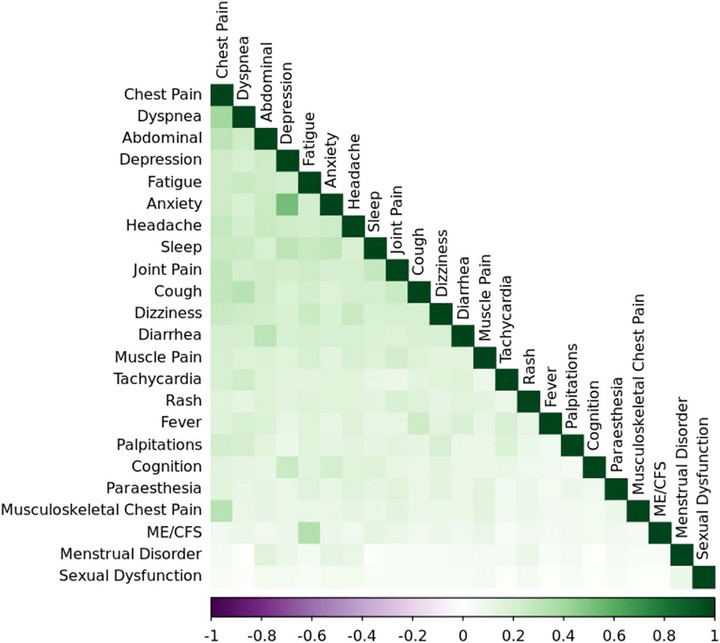
IMPORTANCE: Over seven million U.S. adults experience persistent health issues after COVID-19, known as “long COVID”. Although multiple guidelines recommend the inclusion of functional status in long COVID diagnostic criteria, more evidence is needed to guide this recommendation. This study explored the adjusted odds of developing long COVID by pre-infection symptoms and functional status, and the feasibility of estimating functional status using health records data. DESIGN & METHODS: Retrospective cohort study of U.S. adults with history of COVID-19 enrolled in a multicenter national cohort study through July 2022 (All of Us Controlled Tier CDR 7.0), using diagnostic, procedure, and billing codes from the health record, and baseline survey responses. The risk of long COVID was estimated using logistic regression by pre-infection (-5 years) incidences of (a) at least one symptom common in long COVID, and (b) functional status, and adjusted for disease and demographic characteristics. RESULTS: N = 65,464 met inclusion criteria; n=40,655 had post-infection occurrences of at least one symptom (long COVID group), n=24,809 had none (recovered). Adjusted odds ratios of developing long COVID increased with older age, female sex, Black racial identity, earlier variant, non-vaccination, lower pre-infection self-reported mental and cognitive health, and number of pre-infection symptoms. Adjusted odds were not significantly affected by any single pre-infection symptom, self-rated physical ability, or EHR-derived indicators of prior functional impairment. CONCLUSIONS. In this model, there was no significant difference in risk of long COVID based on either pre-infection total incidences of long COVID symptoms (compared to the average of 4) or pre-infection functional impairment. This suggests that long COVID was associated with a change from baseline functioning and health, including in people with pre-infection incident symptoms and functional impairments. The impacts of co-occurring pre-infection symptoms requires further investigation. Both harmonized electronic health records data and patient-reported outcomes contribute important data for developing the diagnostic utility of functional status changes in long COVID.